RF & Antenna Analysis
Antenna placement, radiation patterns, gain, efficiency, impedance matching, coupling and installed performance.
Validate performance before committing to tooling. We use physics-based simulation to identify risk, compare design options and improve structural, thermal, electromagnetic, airflow and optical performance.
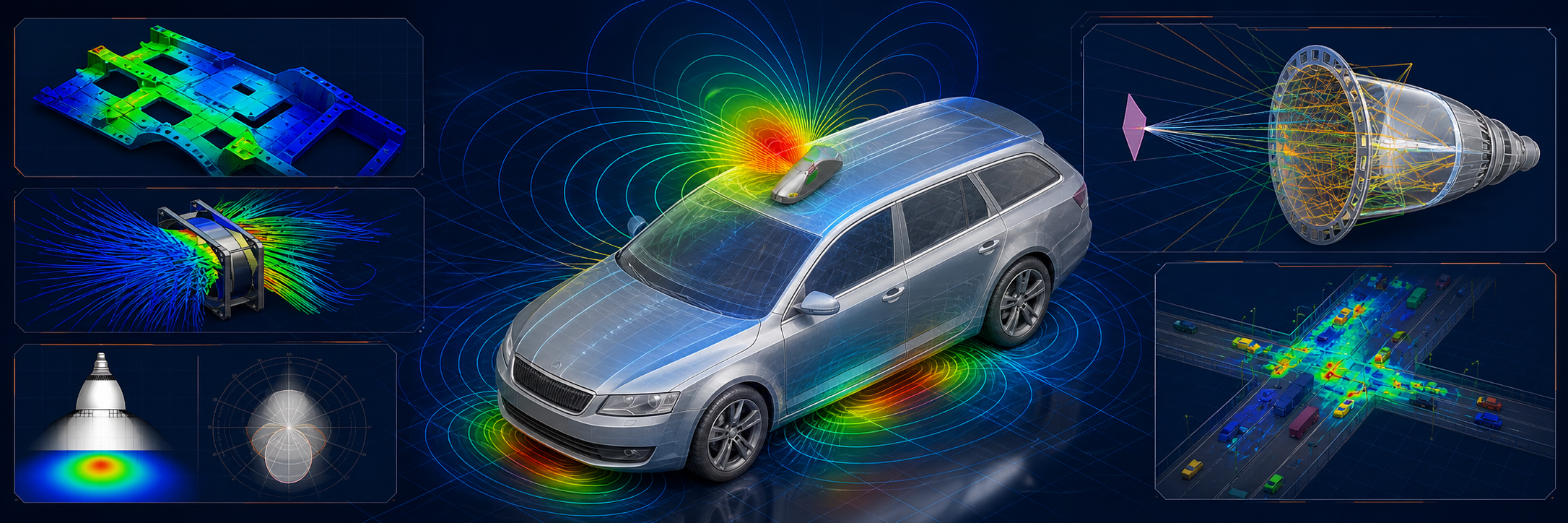
Our analysis workflow connects design geometry, material data and operating conditions to practical engineering decisions.
Antenna placement, radiation patterns, gain, efficiency, impedance matching, coupling and installed performance.
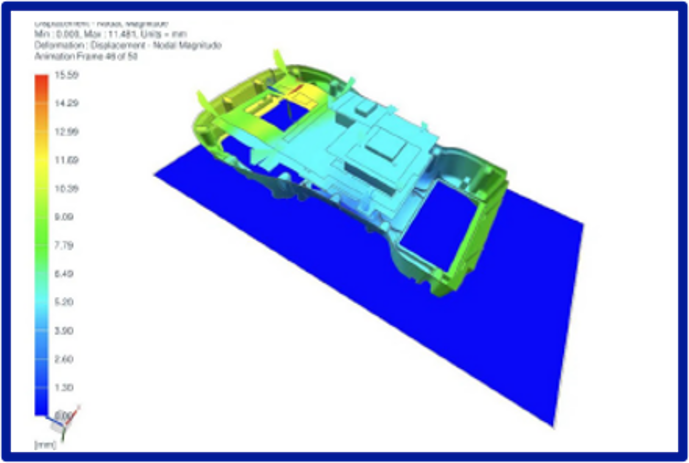
Stress, displacement, stiffness, modal behaviour, fatigue risk and design optimisation under realistic load cases.
Steady-state and transient heat transfer, temperature distribution, heat-sink sizing and thermal-management studies.
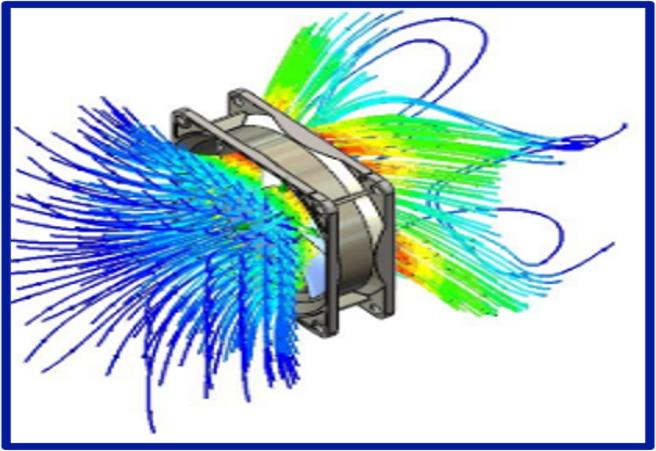
Flow distribution, pressure drop, fan performance, cooling paths and enclosure ventilation optimisation.
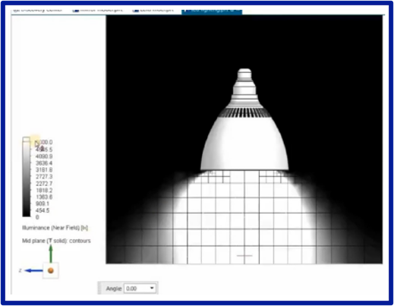
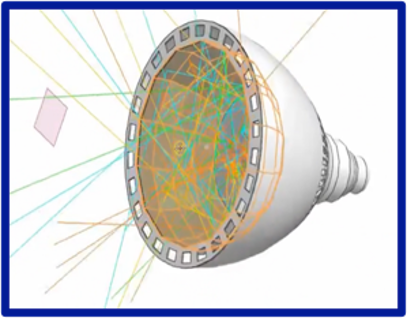
Illumination distribution, ray tracing, reflector and lens studies for lighting and optical-product development.
Drop and shock response, enclosure impact resistance, seal behaviour and ingress-protection assessment.
Signal integrity, power integrity and power-dissipation studies for electronic product development.
Connected electronic and mechanical models for component cooling and enclosure thermal performance.
Coupled electromagnetic, thermal-structural, fluid-structural, phase-change, condensation and evaporation studies.
Multi-antenna compatibility, installed interference, passenger effects and human-body absorption assessment.
Vibration, drop, IP/IK and certification testing coordinated through authorised test centres.
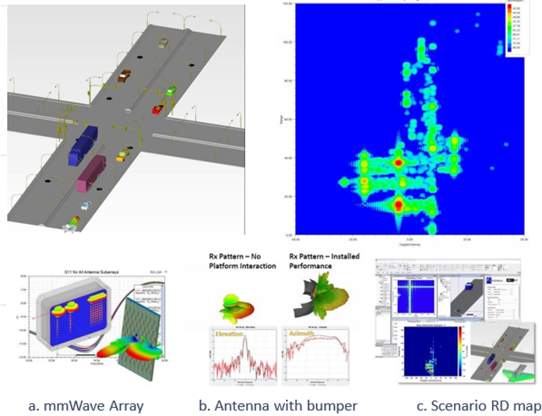
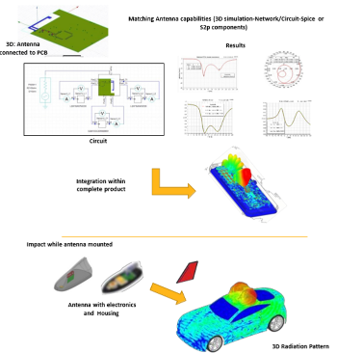
Examples of analysis used to evaluate product behaviour, integration and system-level performance.
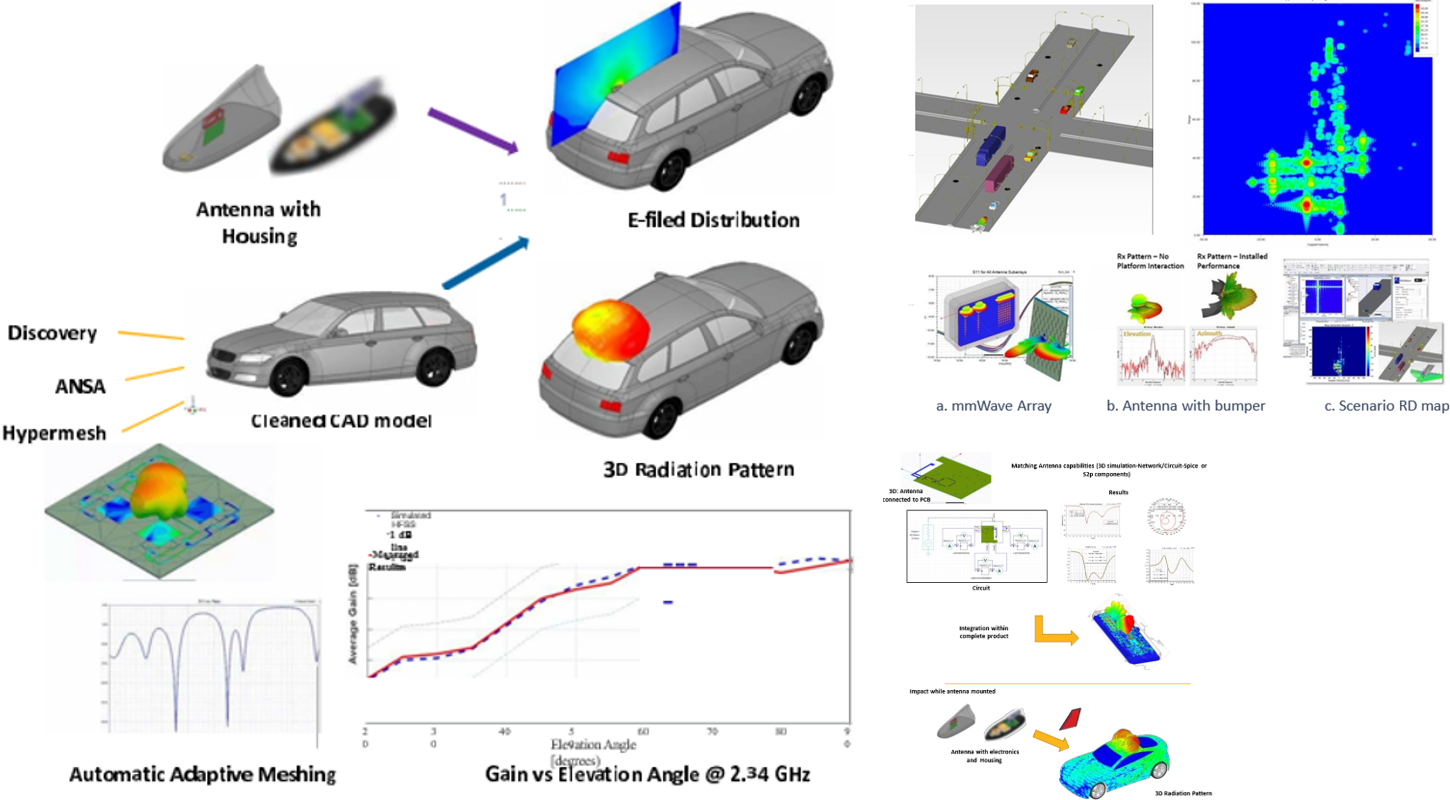
Agree objectives, acceptance criteria, operating conditions and critical load cases.
Clean CAD, simplify geometry, assign materials, contacts, sources and boundary conditions.
Create an appropriate mesh, run the model and perform convergence and sensitivity checks.
Review contours, plots and critical regions against engineering requirements.
Compare design variants and provide actionable recommendations for validation.
Share your CAD, operating conditions and performance targets. Our engineering team will define the right simulation plan for your product.